A surprising number of business owners believe that a 25% markup means they’re earning a 25% profit. It feels logical. You add 25% on top of your cost, so you assume that’s your profit. But pricing doesn’t work that way. In reality, that 25% markup only gives you a 20% profit margin.
That gap may seem small at first glance. But across hundreds of products or thousands of orders, it quietly drains your profits. Many businesses don’t realize this until cash flow starts tightening, even though sales look healthy.
This is where the confusion between markup and margin becomes dangerous, not theoretical, but deeply practical.
Two Numbers, Two Perspectives, One Critical Difference
At a surface level, both margin and markup measure profit. But they answer completely different questions.
Gross Margin: The Reality Check
Gross margin tells you how much of your selling price is actual profit.
It answers one simple question:
“Out of every rupee I earn, how much do I keep?”
If you sell a product for $125 that costs you $100, your profit is $25. But your margin isn’t 25%.
It’s calculated against the selling price, which means:
- Profit = $25
- Selling Price = $125
- Margin = 20%
That 20% is your real earning efficiency.
Markup: The Pricing Decision
Markup works from the opposite direction.
It answers:
“How much am I adding on top of my cost?”
Using the same example:
- Cost = $100
- Profit = $25
- Markup = 25%
Markup helps you set prices. But it does not tell you how profitable your business actually is.
Why This Difference Matters More Than You Think
This isn’t just a math concept, it directly affects how your business survives. When you rely only on markup:
- You may underestimate your costs
- You may overestimate your profits
- You may price products too low to sustain growth
Many small businesses fall into this trap. Sales increase, but profits don’t. The issue isn’t demand, it’s pricing accuracy.
A Clear Comparison of Margin vs. Markup
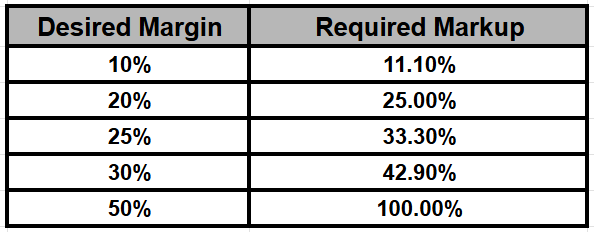
The Math Behind the Table
To ensure your pricing is accurate, you can use these two core formulas to distinguish between your “markup” (what you add to the cost) and your “margin” (what you actually keep from the sale).
1. The Gross Margin Formula Use this to find out what percentage of your selling price is actual profit:

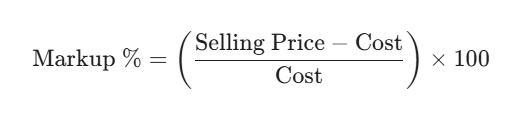
2. The Markup Formula Use this to determine how much you are adding on top of your unit cost:
Why Accurate Pricing is the Heart of Your Business Strategy
Pricing is not just about covering costs, it defines whether your business can grow. A small error in margin calculation doesn’t stay small. It compounds over time:
- A 5% miscalculation can wipe out your net profit
- Discounts can turn profitable products into loss-makers
- Rising costs silently shrink your margins
This is why experienced business owners don’t rely on assumptions. They rely on precision. Because in business, profit is not what you add, it’s what you keep.
The Practical Solution: Remove Guesswork Completely
Most of us do not want to manually calculate margin and markup every time they price a product. And more importantly, manual calculations increase the chances of mistakes.
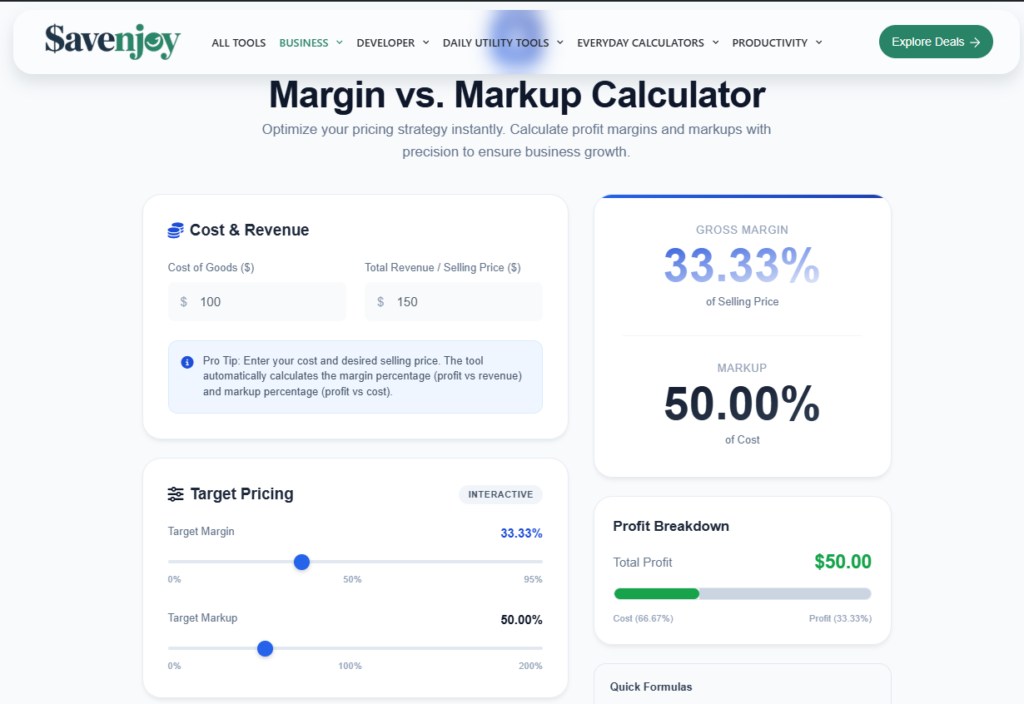
This is where your Margin vs. Markup Calculator becomes more than just a tool. It becomes a decision system.
1. Instead of second-guessing
- You instantly see the real margin behind any markup
- You can reverse-calculate the exact selling price needed
- You avoid pricing based on assumptions
It turns pricing from a risky guess into a controlled strategy.
2. Treating Markup as Profit
This is the classic mistake. Markup feels like profit, but it’s not. And this misunderstanding leads to consistent underpricing.
3. Discounting Without Recalculating
Discounts don’t just reduce prices. They shrink margins aggressively. A 20% discount on a low-margin product can eliminate profit completely.
4. Letting Margins Erode Over Time
Costs increase gradually. Many businesses don’t adjust prices accordingly.
The result?
Sales stay steady, but profits slowly disappear.
The Bottom Line
Markup helps you set prices. Margin tells you if those prices actually work. Confusing the two doesn’t just create a small error, it creates a flawed pricing strategy.
And pricing strategy is not just about selling more. It’s about building a business that can sustain itself.
Your Next Move
Before you finalize your next product price or run your next offer:
- Check your actual margin
- Validate your assumptions
- Use your Margin vs. Markup Calculator
Because the difference between growing and struggling often comes down to a few percentage points. Now you won’t get those wrong.