⚠️ Affiliate Disclosure: We earn a commission on purchases made via our links — at no extra cost to you.

Top 10 Benefits of Using a Random Password Generator
Contents
hide
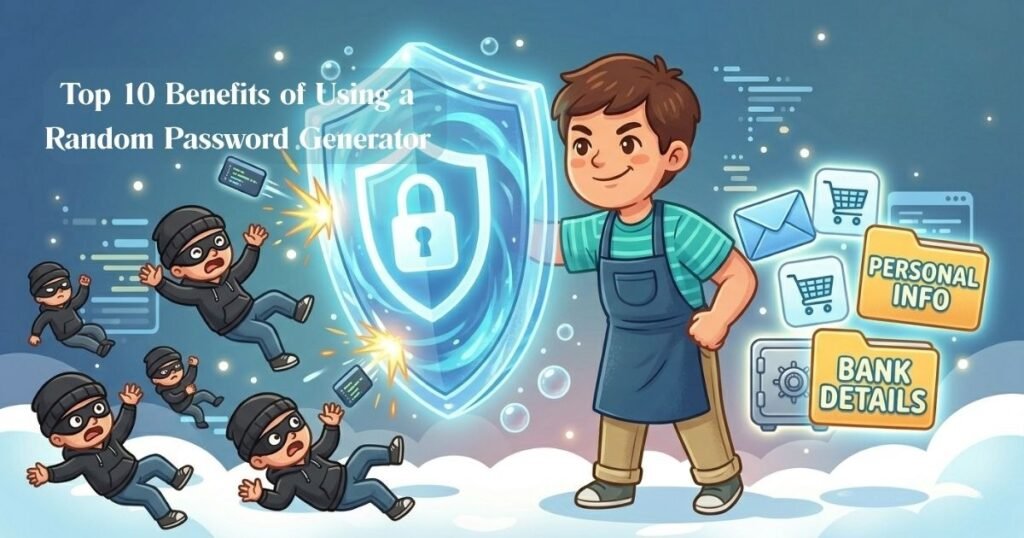
Cybersecurity has become an important part of everyday life because almost everything we do now involves online accounts. People use digital services for banking, shopping, communication, education, healthcare, and entertainment. Every account contains pieces of personal information that contribute to a person’s digital identity. If a cybercriminal gains access to even one account, it can create serious problems related to data privacy, financial security, and personal information. Many people still depend on weak passwords because they are easier to remember, but modern hacking tools can guess simple passwords very quickly. As cyber threats continue to grow, strong passwords have become one of the most important security best practices. A random password generator helps create stronger and more secure passwords that are much harder for criminals to crack. Understanding how these tools work can help people improve their cyber hygiene and better protect their online accounts.
What is the purpose of a password generator?
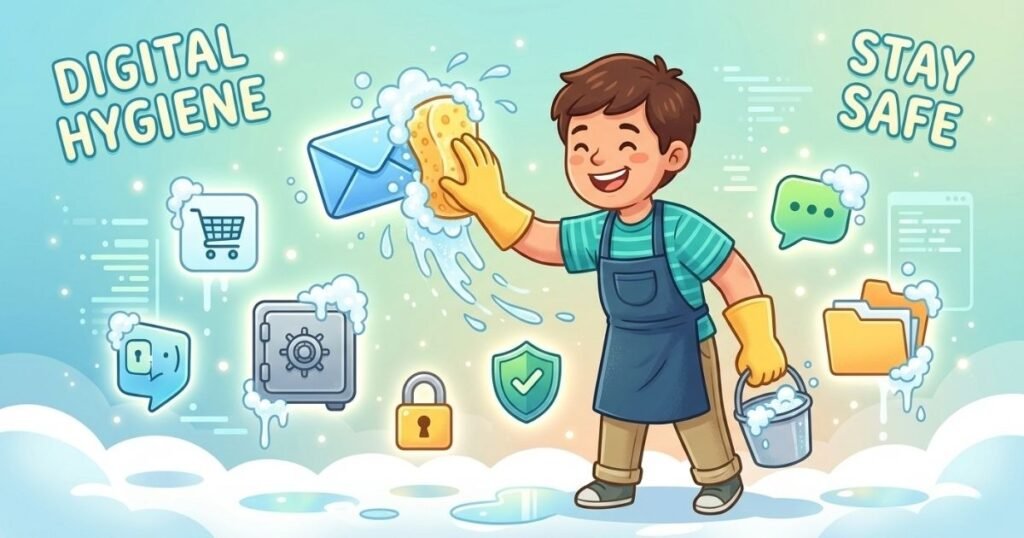
The main purpose of a password generator is to create strong and unpredictable passwords that are difficult for attackers to guess. Human beings naturally choose passwords based on familiar words, names, dates, or patterns that are easy to remember. Unfortunately, these same habits make passwords easier for cybercriminals to crack. A password generator uses random processes to create unique combinations of letters, numbers, and symbols. These combinations are much less predictable than passwords created by people. Strong passwords help protect online accounts from threats such as brute force attack attempts, where automated software rapidly tests thousands or even millions of password combinations. By creating passwords with high character variety and randomness, password generators significantly reduce the chances of unauthorized access. They help users follow security best practices while improving overall cybersecurity and data privacy protection.
What are the most hacked passwords?
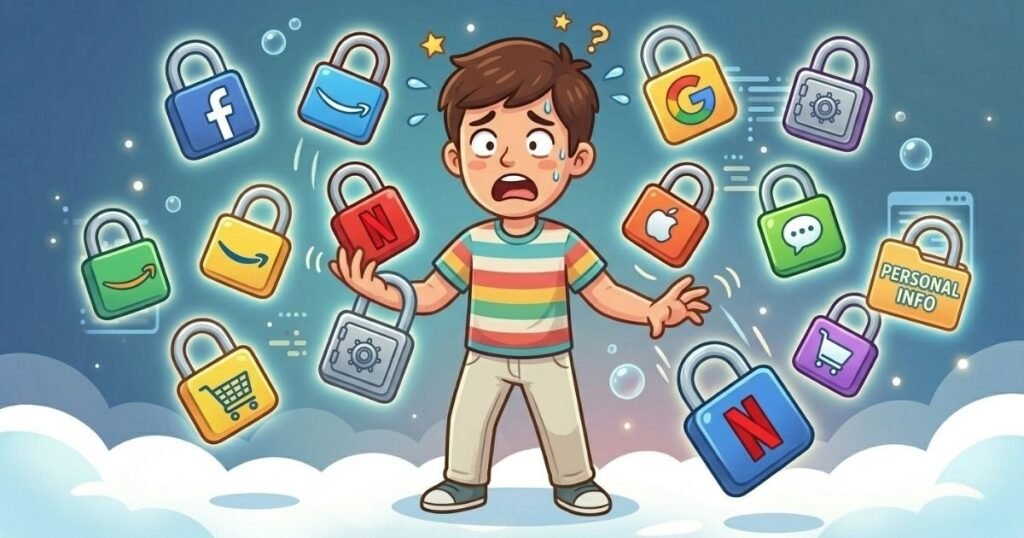
The most hacked passwords are usually the easiest and most predictable ones. Cybercriminals use automated tools that test common password patterns first, making weak passwords highly vulnerable.
Some of the most commonly hacked passwords include
• 123456
• password
• qwerty
• 123456789
• admin
• abc123
• password123
• 111111
• welcome
• iloveyou
These passwords are frequently compromised because
• They use simple number sequences that are easy to guess.
• They contain common words found in dictionaries.
• They rely on predictable keyboard patterns.
• They often include personal information such as names or birthdays.
• They are reused across multiple online accounts.
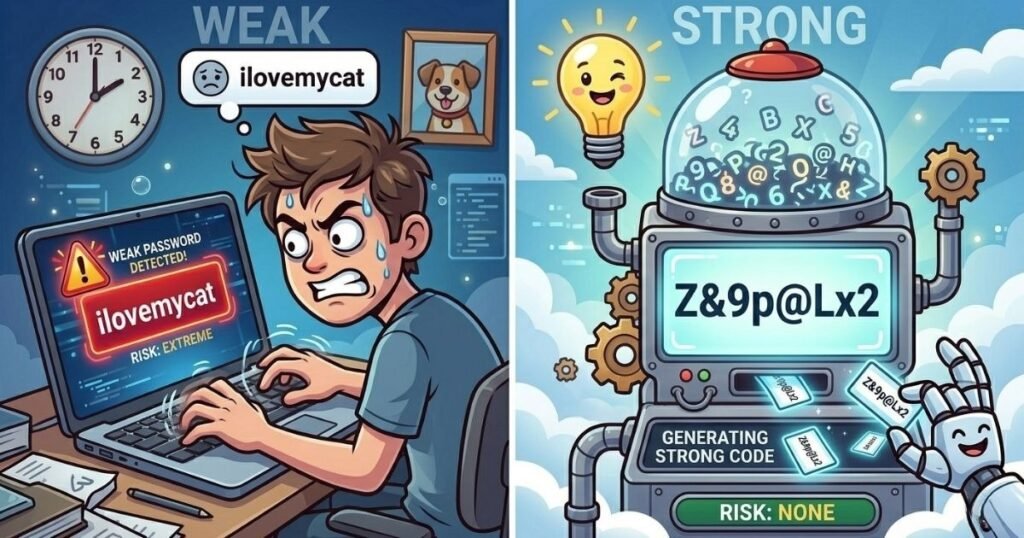
Many people choose these passwords because they are easy to remember. However, convenience often comes at the cost of security. During a data breach, attackers can quickly identify and exploit weak passwords using automated software.
Weak passwords also increase the risk of credential stuffing attacks. In these attacks, cybercriminals use stolen login details from one website to gain access to other accounts. This can lead to unauthorized access, identity theft, financial loss, and serious damage to a person’s digital identity.
Using strong, unique passwords generated by a random password generator is one of the most effective ways to protect your online accounts and improve your overall cybersecurity.
Why don’t older adults use password managers?
Many older adults face unique challenges when adopting password manager technology. While password managers can improve cybersecurity, some seniors are unfamiliar with digital tools and may feel uncomfortable learning new systems. For many years, people managed their passwords using notebooks, paper records, or memory alone. As a result, switching to a password manager can feel unnecessary or confusing. Some older adults worry that they might forget how to access the software or lose important information if something goes wrong. Others may feel overwhelmed by technical instructions or fear making mistakes. Trust also plays a role because some individuals find it difficult to store sensitive information inside an application. Despite these concerns, password managers are designed to improve cyber hygiene and simplify account security. Education, patience, and clear guidance can help older adults understand how these tools protect online accounts and support better data privacy practices.
Is it okay to use a password generator?
Yes, it is generally a very good idea to use a password generator. Many people worry that a computer generated password may be less trustworthy than one they create themselves, but the opposite is usually true. Human brains tend to follow patterns even when trying to be random. Cybercriminals understand these patterns and use them to their advantage. Password generators create passwords with much greater randomness and character variety than most people can produce manually. This makes generated passwords significantly harder to predict or crack. When used alongside a password manager, generated passwords provide strong protection for online accounts and sensitive information. Security experts often recommend password generators because they help users avoid common mistakes and create unique combinations for every account. Following these security best practices greatly reduces the risk of account compromise and strengthens overall cybersecurity.
What is the 3 word password rule?
The 3 word password rule is a method that encourages people to create passwords using three unrelated words combined together. The idea is that a sequence of random words can be easier to remember than a complicated string of letters, numbers, and symbols while still providing strong security. For example, choosing three completely unrelated words creates a longer password that is difficult for attackers to guess. The effectiveness comes from unpredictability rather than complexity alone. Many cybersecurity organizations support this approach because it balances usability and protection. The rule can be particularly useful when creating a master password for a password manager or another important account. While a random password generator may still provide stronger randomness, the 3 word method offers a practical alternative for people who struggle to remember highly complex credentials. It promotes better cyber hygiene and encourages stronger password habits.
Why don’t people use password managers?
Many people avoid password managers because they do not fully understand the risks associated with weak passwords and password reuse. Some individuals believe their accounts are unlikely to be targeted, which creates a false sense of security. Others worry that storing all passwords in one place creates a single point of failure. While these concerns are understandable, they often overlook the significant security advantages that a password manager provide. Another factor is lack of awareness regarding threats such as credential stuffing. When a data breach exposes login information, attackers frequently test those same credentials across multiple websites. Users who reuse passwords become especially vulnerable. Some people also assume password managers are difficult to set up or use. In reality, modern password managers are designed to simplify security and improve cyber hygiene. Greater public education can help more people understand how these tools strengthen cybersecurity and protect digital identity.
Top 10 Benefits of Using a Random Password Generator
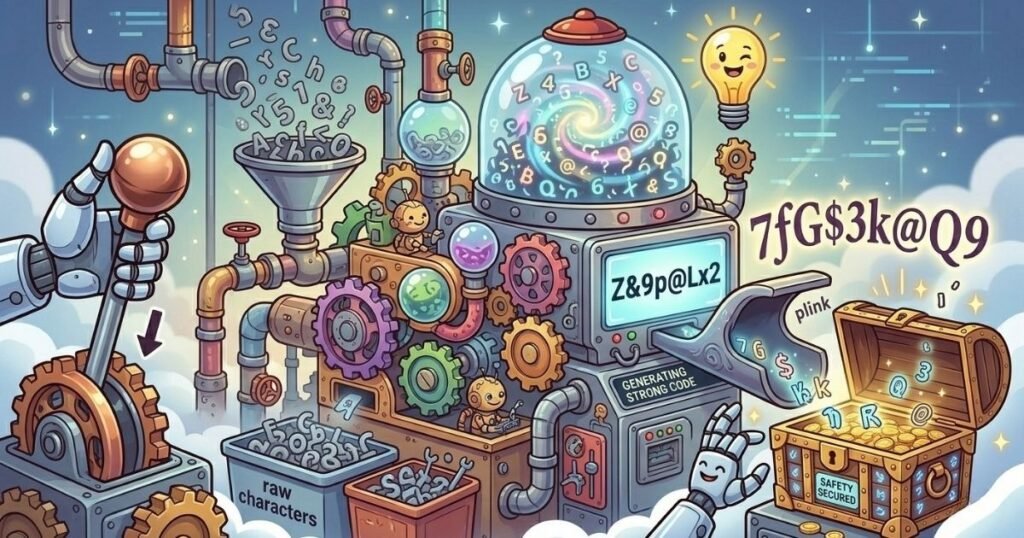
A random password generator offers numerous advantages for individuals, families, and businesses. Strong passwords are one of the first lines of defense against cybercrime. By generating unique combinations that are difficult to predict, these tools help users strengthen their cybersecurity practices and protect valuable personal information.
- Stronger protection against brute force attack attempts.
Random passwords contain high levels of randomness and character variety. This makes them much harder for automated hacking systems to guess, reducing the effectiveness of brute force attack techniques.
- Unique passwords for every account.
Many people reuse passwords across multiple websites. A password generator helps create unique combinations for each account, reducing the damage that could occur if one account becomes compromised.
- Better protection after a data breach.
When organizations experience a data breach, exposed credentials often become available to cybercriminals. Unique generated passwords prevent attackers from easily accessing additional online accounts.
- Improved data privacy.
Strong passwords help keep personal information secure. This includes financial records, private messages, healthcare information, and other sensitive data connected to digital identity.
- Reduced human error.
People naturally choose familiar words and patterns. Password generators remove this weakness by creating passwords based on randomness rather than personal habits.
- Increased character variety.
Generated passwords often include a mix of uppercase letters, lowercase letters, numbers, and symbols. This diversity strengthens password security and makes guessing attempts much more difficult.
- Better support for password managers.
Password generators work extremely well alongside a password manager. Together they allow users to create and store strong passwords without needing to memorize every credential.
- Protection against credential stuffing.
Credential stuffing attacks rely on reused passwords. Unique generated passwords stop attackers from using stolen credentials to access multiple online accounts.
- Stronger long term cyber hygiene.
Good cyber hygiene involves maintaining consistent security habits. Using a password generator encourages better password practices and helps users avoid risky shortcuts.
- Greater confidence online.
Knowing that accounts are protected by strong and unique combinations gives users more confidence when managing personal and professional activities online. This peace of mind is valuable in an increasingly connected world.
Conclusion
Strong passwords are no longer optional in today’s digital world. Every online account represents a part of your digital identity and deserves proper protection. Weak passwords remain one of the most common causes of account compromise, data breach exposure, and privacy problems. A random password generator helps solve these challenges by creating secure and unpredictable credentials that are difficult for cybercriminals to crack. When combined with a password manager and other security best practices, generated passwords provide a powerful layer of protection for online accounts. Whether you are managing personal, professional, or financial information, improving your password habits is one of the simplest and most effective steps you can take. Start strengthening your cybersecurity today by using unique passwords and adopting better cyber hygiene practices across all your digital activities.

Hi, I am Priyanka Roy, an SEO Specialist and Content Writer at Sandhu Marketing Agency Inc.. For the past 4 years, I have been helping businesses improve their websites and grow their organic traffic through practical and effective SEO strategies.
I enjoy working on different SEO tools and exploring how they actually perform in real situations. Over time, I have tested many tools, faced real challenges, and learned what works and what does not. This is exactly what I share on Savenjoy. My goal is to help you understand what to expect from a tool before you spend your money on it.
Instead of just listing features, I focus on real experiences, honest insights, and simple explanations so you can make better decisions with confidence. All I want is to make your journey easier and smarter.
I love trying new digital tools even when I do not need them, just to see if they are worth it or not.