⚠️ Affiliate Disclosure: We earn a commission on purchases made via our links — at no extra cost to you.

How to Start a Profitable Blog in 2026
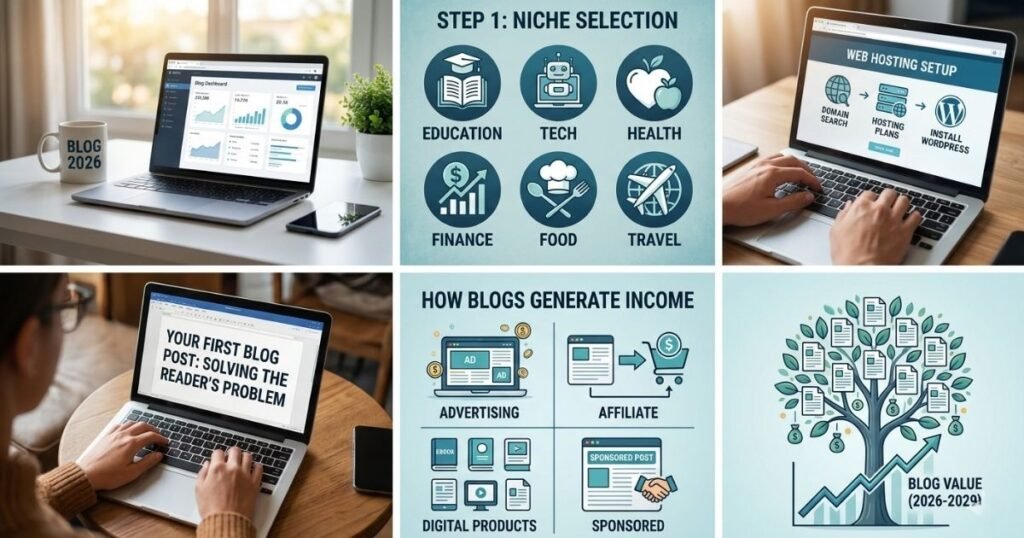
Starting a blog in 2026 is no longer just a hobby. It is one of the most powerful ways to build authority, create income, and establish a digital asset that works for you in the long-term. What once started as online diaries has now evolved into full-scale businesses generating thousands of dollars every month.
But here’s the truth most beginners don’t realize. Blogging success is not about luck, it’s about building the right foundation from the beginning.
If you understand how to choose the right niche, use the best web hosting, and create valuable content, your blog can grow into a profitable and sustainable online platform. This guide will explain everything step-by-step in clear, practical terms.
What Is a Blog and Why Blogging Still Matters in 2026
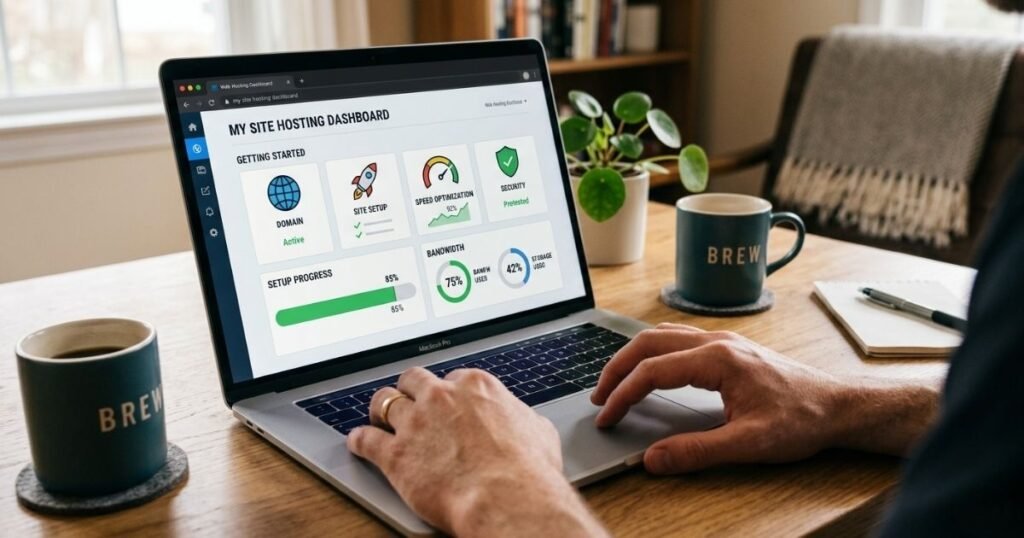
A blog is a website where you regularly publish articles to share information, experiences, or expertise. These articles help people solve problems, learn new skills, or make decisions.
Blogging matters more than ever today because search engines like Google prioritize helpful, informative content. Every time someone searches for something, they are looking for answers and blogs provide those answers.
Companies, professionals, and individuals use blogs to:
- Build online authority
- Attract website visitors
- Generate income
- Promote products or services
- Share knowledge and expertise
A blog is not just content. It is a long-term digital asset. Unlike social media posts that disappear quickly, blog articles can generate traffic for years.
Step 1: Choose the Right Blog Niche
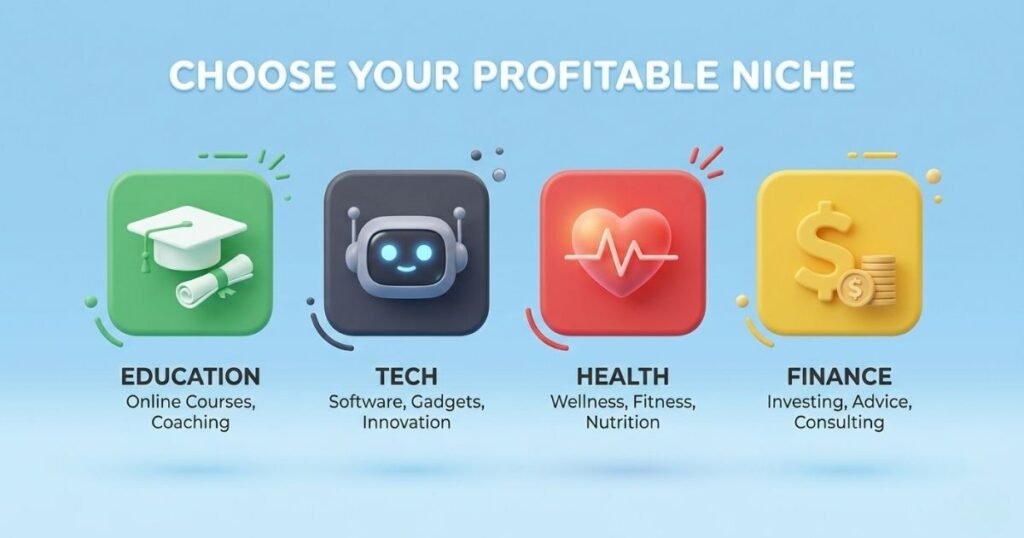
Your niche is the main topic your blog focuses on. It defines your audience and helps search engines understand your website.
Choosing the right niche is one of the most important decisions because it determines your future growth and income potential.
Profitable blog niches include:
- Education
- Technology
- Health and wellness
- Personal development
- Finance
- Food and recipes
- Blogging and online business
The best niche is one that has:
- Audience demand
- Monetization opportunities
- Long-term growth potential
For example, education blogs attract students, parents, and professionals, which creates multiple income opportunities.
Step 2: What You Need to Create a Blogging Website
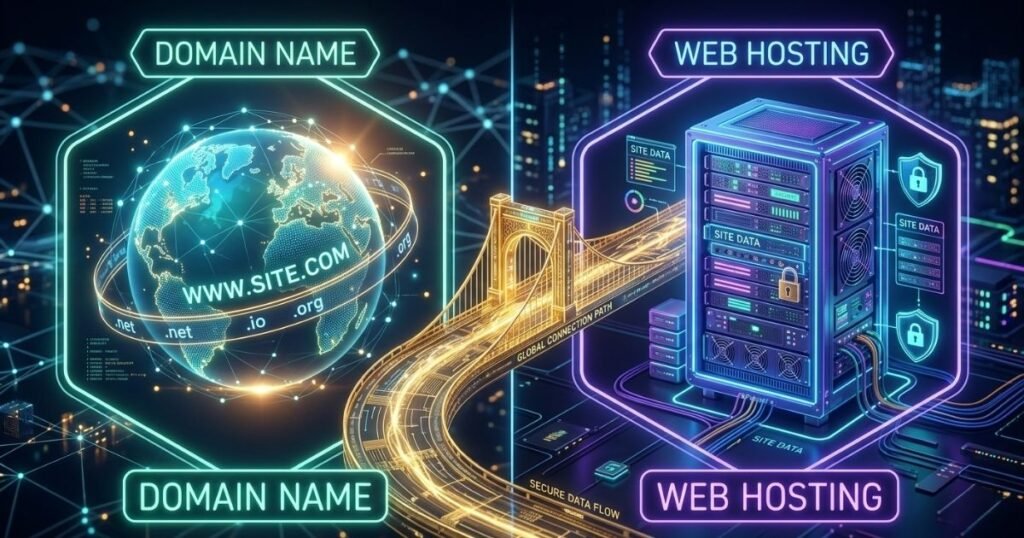
Every professional blog requires three essential components:
i. Domain Name
Your domain name is your website address, such as yourblog.com. It represents your brand identity and helps people find your website. A good domain name should be:
- Short
- Easy to remember
- Easy to spell
- Related to your niche
Your domain is your digital identity.
ii. Web Hosting
Web hosting is the service that stores your website and makes it accessible on the internet. Without web hosting, your website cannot exist online. Choosing the best web hosting is critical because it affects:
- Website speed
- Security
- Reliability
- User experience
- Search engine rankings
Many beginners and professionals choose platforms like Hostinger because it provides fast performance, affordable pricing, and beginner-friendly setup.
If you plan to grow your blog or use it as website hosting for small business, reliable hosting becomes even more important. Your hosting is the foundation of your blog.
iii. Blogging Platform
A blogging platform allows you to create, manage, and publish articles. The most recommended platform worldwide is WordPress. WordPress powers over 40% of websites globally because it provides:
- Full ownership
- Complete customization
- SEO optimization
- Professional design flexibility
- Scalability
It is the best option for beginners and professionals.
Step 3: How to Create a Blog for Free
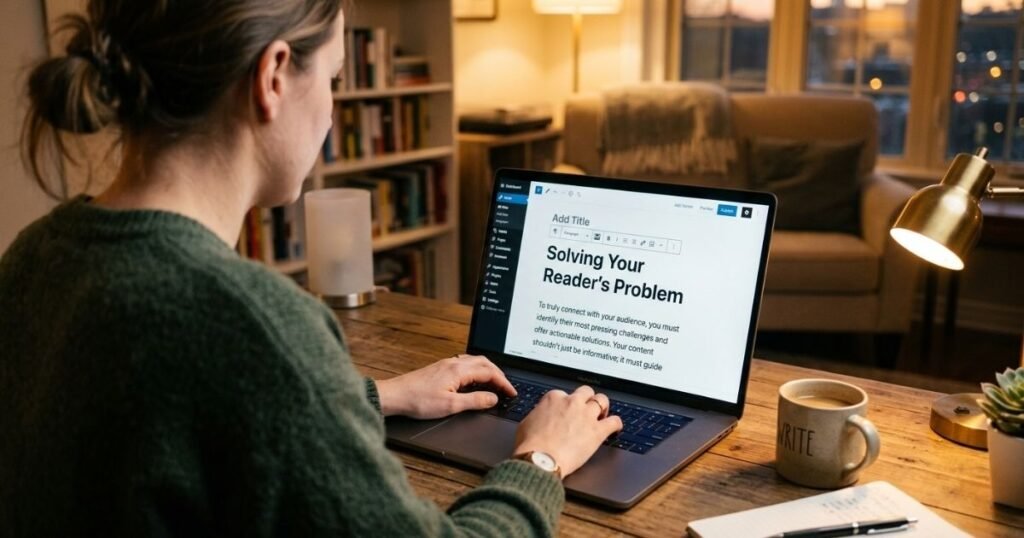
Many beginners start blogging using free platforms. Free blogging platforms include:
- WordPress.com
- Blogger
- Medium
These platforms allow you to create and publish articles without paying.
However, free blogs have serious limitations:
- Limited control
- Limited customization
- Limited monetization options
- No full ownership
Your website address will look like: yourblog.wordpress.com. This looks less professional. Free blogging is good for learning, but if your goal is income or professional growth, you need self-hosted blogging using web hosting platforms.
Step 4: Setting Up Your Blog Properly
Once you purchase hosting and a domain, setting up your blog is simple. The process includes:
- Install WordPress
- Choose a theme
- Customize your design
- Create essential pages
Important pages include:
- Home page
- About page
- Contact page
- Blog page
These pages help establish credibility and trust.
Step 5: Writing Your First Blog Post
Content is the core of blogging success. Your articles should help readers solve problems or learn something useful. Good blog content should be:
- Informative
- Easy to understand
- Well structured
- Helpful and practical
Search engines prioritize helpful content. The more helpful your content is, the higher your chances of ranking.
Step 6: How Blogs Generate Traffic
Traffic means visitors coming to your website. Most blog traffic comes from search engines. When someone searches for information, Google shows blog articles that best answer the question. If your blog provides helpful answers, Google sends visitors to your website. This is called organic traffic. Organic traffic is the most valuable traffic source.
Step 7: How Bloggers Make Money
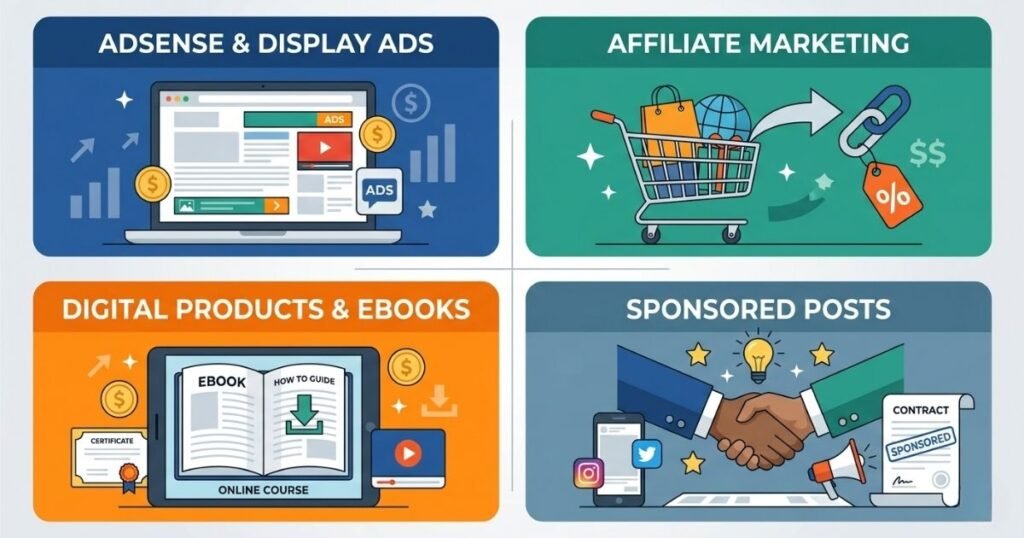
Blogging generates income by converting visitors into revenue. Here are the most common monetization methods:
Advertising Income
Bloggers earn money by displaying ads on their website. Advertising networks like Google AdSense pay bloggers when visitors view or click ads. More traffic equals more income.
Affiliate Marketing
Bloggers promote products and earn commission when readers purchase. This is one of the highest-earning blogging income methods. For example, bloggers promote:
- Hosting services
- Software
- Courses
- Tools
Affiliate marketing works because companies pay bloggers for referrals.
Selling Digital Products
Bloggers sell:
- Courses
- Ebooks
- Templates
- Guides
This creates passive income.
Sponsored Content
Companies pay bloggers to promote their products through blog articles. Sponsored posts generate significant income for established blogs.
Step 8: How Bloggers Get Paid
Bloggers receive payments through:
- Bank transfer
- PayPal
- Affiliate networks
- Advertising platforms
Most platforms pay monthly once minimum earnings are reached. Income increases as website traffic grows.
Step 9: Best Web Hosting Platforms for Bloggers
Choosing the right web hosting platforms affects your website performance and growth.
Good hosting provides:
- Fast loading speed
- Strong security
- Reliable uptime
- Easy management
Reliable hosting improves:
- User experience
- SEO rankings
- Website stability
This is essential for blogging success.
Step 10: Which Type of Blog Makes the Most Money
Some niches generate higher income due to advertiser demand.
High-earning blog niches include:
- Technology
- Finance
- Education
- Health
- Online business
These niches attract valuable audiences and advertisers. Educational blogs are especially powerful because they generate consistent traffic.
Step 11: Why Blogging Is a Long-Term Asset
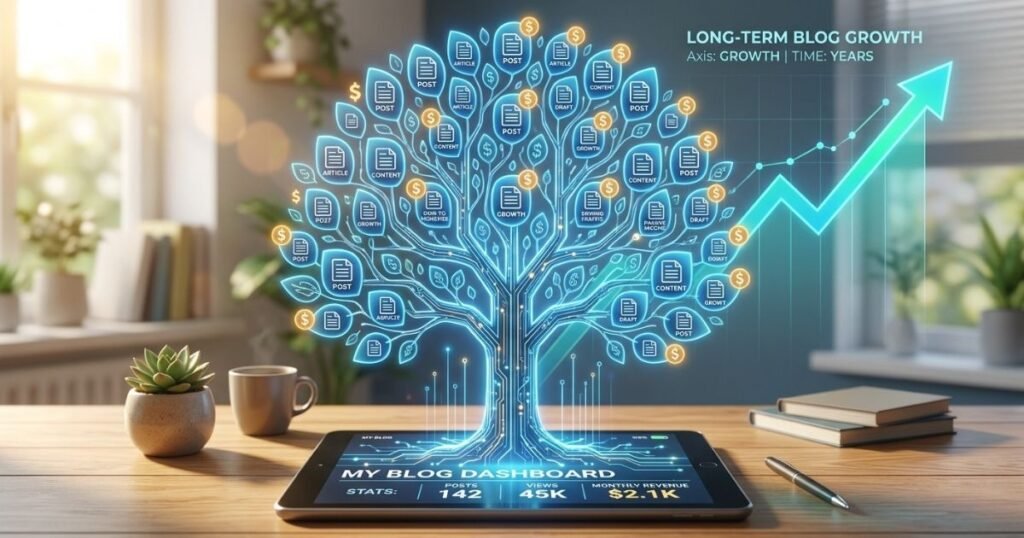
Blogging creates long-term value. Unlike social media posts, blog articles continue generating traffic for years. Each article becomes a permanent digital asset. Over time, your blog grows into:
- Authority platform
- Income source
- Business asset
Blogging is not instant income, but it provides long-term rewards.
Step 12: How Long It Takes to Make Money Blogging
Most blogs take:
- 3 to 6 months to gain traffic
- 6 to 12 months to generate income
Success depends on:
- Content quality
- Consistency
- SEO optimization
- Topic demand
Blogging rewards patience and consistency.
Step 13: Why Blogging Is Still One of the Best Online Careers
Blogging provides:
- Location independence
- Passive income potential
- Business growth opportunities
- Personal brand development
Many bloggers turn their blogs into full businesses. Blogging is one of the few careers where your income is not limited by salary.
Final Conclusion: Start Now and Build Your Digital Asset
Starting a blog in 2026 is one of the smartest decisions you can make. With the right niche, best web hosting, and valuable content, your blog can grow into a profitable platform.
Blogging allows you to:
- Share knowledge
- Build authority
- Generate income
- Create long-term digital assets
Every successful blog starts with a single step. The sooner you start, the sooner your blog begins growing.

Hi, I am Priyanka Roy, an SEO Specialist and Content Writer at Sandhu Marketing Agency Inc.. For the past 4 years, I have been helping businesses improve their websites and grow their organic traffic through practical and effective SEO strategies.
I enjoy working on different SEO tools and exploring how they actually perform in real situations. Over time, I have tested many tools, faced real challenges, and learned what works and what does not. This is exactly what I share on Savenjoy. My goal is to help you understand what to expect from a tool before you spend your money on it.
Instead of just listing features, I focus on real experiences, honest insights, and simple explanations so you can make better decisions with confidence. All I want is to make your journey easier and smarter.
I love trying new digital tools even when I do not need them, just to see if they are worth it or not.